
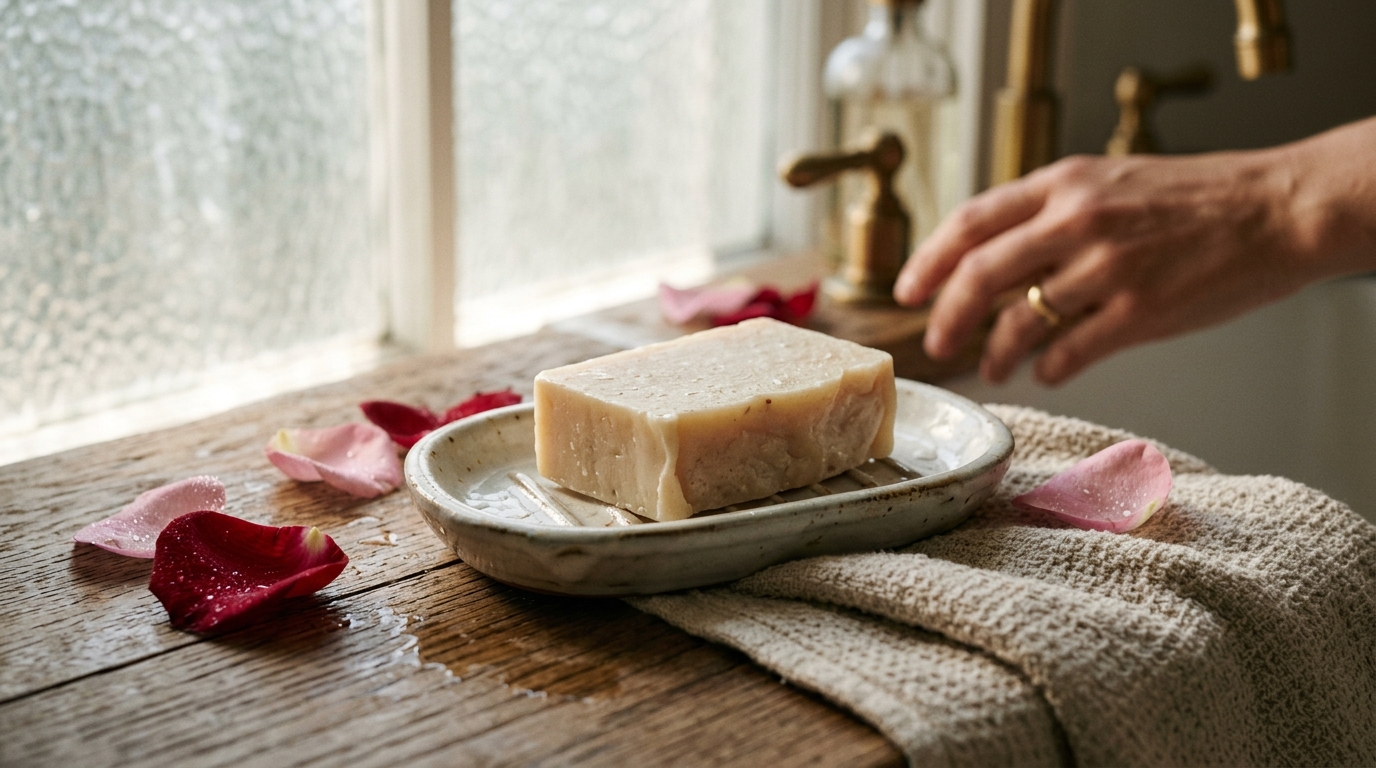
Replace your tallow soap bar every 4 to 6 weeks for optimal skin health. This guide from Rose Petal Glam explains how to monitor bar durability, identify skin reaction indicators, and maintain a hygienic grooming routine. We cover the science behind cold process curing, storage best practices, and how to extend the life of your handcrafted bars.
Tallow Soap Durability Factors
Tallow soap durability is determined by the curing process, ingredient composition, and environmental conditions. Rose Petal Glam uses a traditional cold process method where bars are hand-poured and cured for 8 to 10 weeks. This extended curing period allows the bar to harden significantly, which directly impacts how long it lasts in the shower. A well-cured bar resists rapid breakdown, ensuring you get the full value of your purchase.
The Role of Grass-Fed Tallow
Grass-fed beef tallow is the primary base in our formulations. Tallow is a rich, skin-conditioning fat that creates a dense, long-lasting bar. Because the fatty acid profile of tallow closely mirrors the natural oils of human skin, it cleanses effectively without stripping moisture. This density means the bar does not dissolve as quickly as lighter, water-based commercial soaps. You can expect a single bar to last several weeks of daily use when stored correctly.
Impact of Curing Time
Curing is the phase where the soap hardens and becomes milder. During the 8 to 10 week curing period, the bar loses excess water and stabilizes its structure. This results in a bar that is harder and less prone to mushing in a wet environment. If a bar feels soft or crumbles easily, it may not have been cured sufficiently or has been stored in a high-humidity area. Properly cured tallow soap maintains its structural integrity, allowing for a longer replacement cycle.
Skin Reaction Indicators
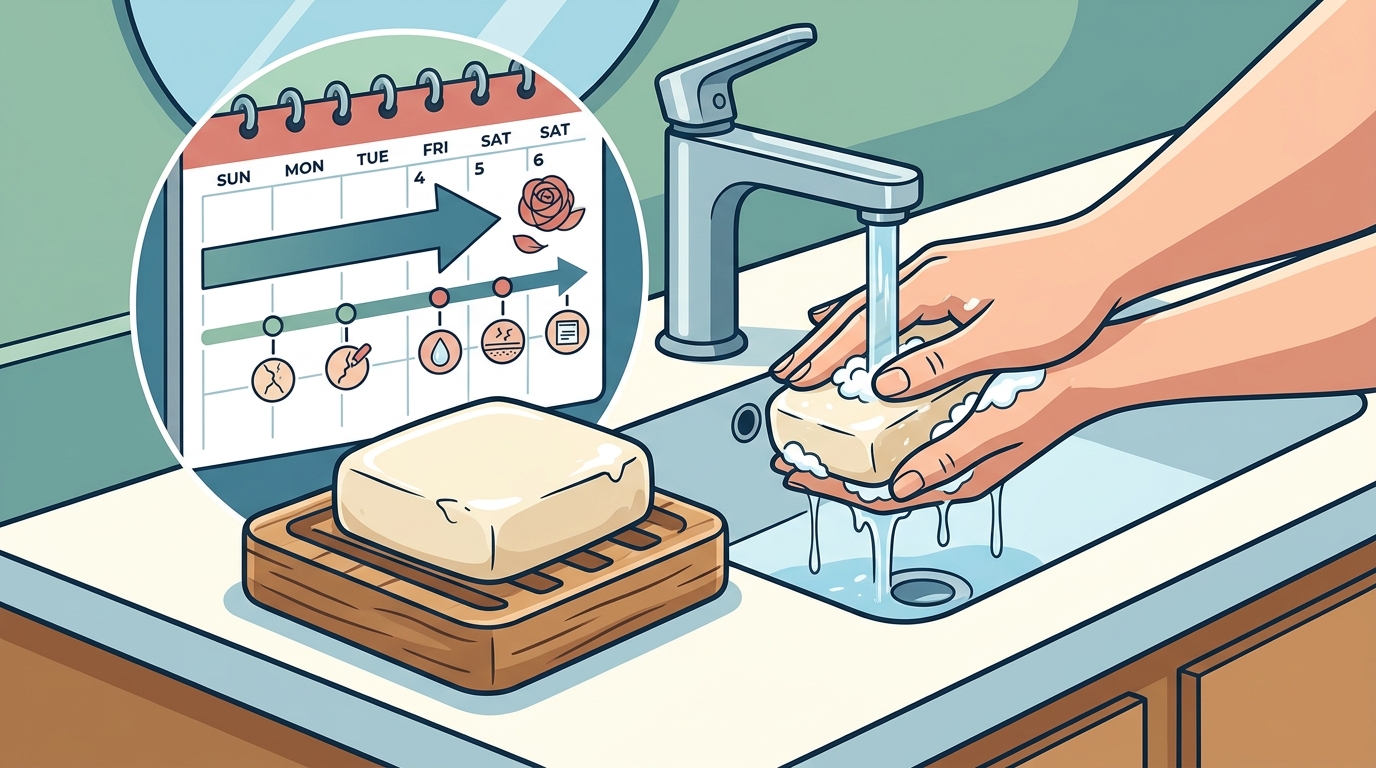
Skin reaction indicators are the primary signals that it is time to replace your soap. While tallow soap is generally gentle, individual skin responses can vary. You should monitor your skin for changes in texture, comfort, or appearance after using a specific bar. If you notice persistent irritation, redness, or discomfort, discontinue use immediately. These signs may indicate that the bar has degraded or that your skin is reacting to a specific ingredient.
Identifying Irritation
Irritation is a common reason to replace a soap bar early. If your skin feels tight, itchy, or raw after washing, the soap may no longer be suitable for your current skin condition. Environmental factors, such as seasonal changes, can also affect how your skin reacts to a product. Always perform a patch test before using a new bar. If irritation occurs, stop using the product and consult a healthcare professional if needed.
Monitoring Skin Comfort
Comfort is a subjective but important indicator of soap performance. A good tallow soap should leave your skin feeling soft and conditioned, not dry or stripped. If you find that you need to apply heavy moisturizers immediately after washing to combat dryness, the soap may be past its prime or not the right fit for your skin type. Regularly assessing how your skin feels after each use helps you determine the optimal replacement schedule.
Storage and Hygiene Best Practices
Proper storage is critical for maintaining the hygiene and longevity of your tallow soap. Water is the primary enemy of soap durability. When a bar sits in a pool of water, it absorbs moisture, softens, and breaks down faster. It also creates an environment where bacteria can thrive. To extend the life of your bar, ensure it is stored in a dry, well-ventilated area.
Choosing the Right Soap Dish
A soap dish with drainage is essential for tallow soap care. Avoid solid dishes that trap water under the bar. Instead, use a dish with holes or a slanted surface that allows water to drain away. You can also place the bar on a towel or a dedicated drying rack between uses. This simple habit can double the lifespan of your bar by keeping it dry and firm.
Temperature and Humidity Control
Temperature and humidity affect the physical state of tallow-based products. Tallow can soften in warm weather, but this does not affect its safety or quality. If your bar arrives or feels soft due to heat, let it rest in a cool room or briefly in the refrigerator to firm up. Storing your soap in a cool, dry place away from direct sunlight helps maintain its structure and prevents premature degradation.
Tallow vs. Commercial Soap Lifespan
Understanding the differences between tallow soap and commercial soaps helps set realistic expectations for replacement. The table below compares key factors that influence how long each type of soap lasts.
| Feature | Tallow Soap (Rose Petal Glam) | Commercial Bar Soap |
|---|---|---|
| Base Ingredient | Grass-fed beef tallow | Synthetic detergents or animal fats |
| Curing Process | 8 to 10 weeks | Minimal or none |
| Hardness | Dense and firm | Varies, often softer |
| Water Absorption | Low when stored dry | High, prone to mushing |
| Typical Lifespan | 4 to 6 weeks | 2 to 4 weeks |
| Skin Conditioning | High, mimics skin oils | Variable, may strip oils |
The data shows that tallow soap generally outlasts commercial bars due to its dense composition and extended curing. This durability means fewer replacements and less waste. Additionally, the conditioning properties of tallow help maintain skin health, reducing the need for additional moisturizers.
Key Takeaways
- Replace tallow soap every 4 to 6 weeks for optimal skin health.
- Curing for 8 to 10 weeks increases bar hardness and longevity.
- Store soap in a dry, well-ventilated area to prevent water absorption.
- Monitor skin for irritation or discomfort as a signal to replace the bar.
- Use a draining soap dish to extend the life of your bar.
- Tallow soap is denser and lasts longer than most commercial soaps.
- Softening due to heat is normal and does not affect safety.
- Perform a patch test before using a new soap bar.
Frequently Asked Questions
How long does a bar of tallow soap last?
With proper drainage between uses, a hand-cut cold process bar typically lasts several weeks of daily use. The exact duration depends on storage conditions and how frequently you use the bar.
Why does my tallow soap feel soft?
Tallow-based products can soften in warm weather. This does not affect safety or quality. If a product arrives soft, let it rest in a cool room or briefly in the fridge, and it will firm back up.
How should I store my tallow soap?
Keep your soap in a cool, dry place away from direct sunlight. Use a draining soap dish to ensure the bar dries completely between uses. This prevents water absorption and extends the bar's lifespan.
What are the signs that I should replace my soap?
Replace your soap if it becomes mushy, crumbles easily, or if you notice skin irritation, redness, or discomfort after use. These are indicators that the bar has degraded or is no longer suitable for your skin.
Is tallow soap safe for sensitive skin?
Tallow is naturally rich in vitamins and fatty acids that help nourish and soften the skin. However, individual results may vary. Always review the ingredient list and patch-test new products before full use. Discontinue use if irritation occurs.
Can I use tallow soap in the shower?
Yes, tallow soap is designed for use in the shower. It creates a rich, creamy lather that cleanses and conditions the skin. Ensure the bar is stored in a dry area after use to maintain its structure.
Conclusion
Maintaining skin health with tallow soap requires attention to durability and hygiene. By understanding the curing process and monitoring your skin's response, you can maximize the lifespan of your bar. Rose Petal Glam crafts each bar with care, ensuring it provides a rich, conditioning cleanse. For more information on our handcrafted products, visit our Handcrafted Cold Process Soap collection. You can also explore our How It's Made page to learn about our small-batch process. If you have questions about ingredients or usage, for personalized guidance. Support a local Michigan business by choosing quality, handcrafted tallow skincare.