
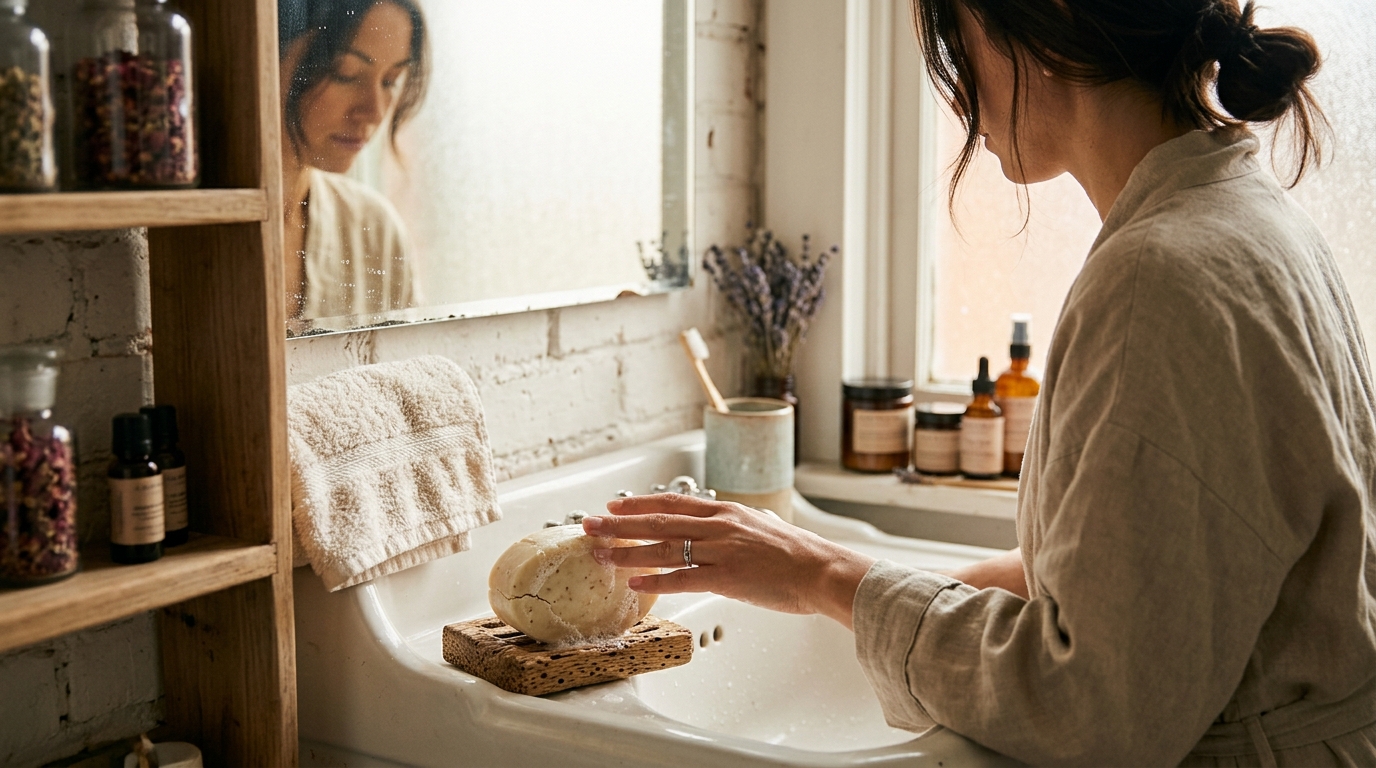
Replace your tallow soap bar every 4 to 6 weeks for optimal skin health. This guide explains the factors that affect soap longevity, how to identify when a bar is no longer effective, and how to store your handmade tallow products to maximize their lifespan. We cover durability metrics, skin reaction indicators, and practical storage tips from Rose Petal Glam, a women-owned business in Mount Morris, Michigan.
Tallow Soap Durability
Tallow soap is a cold process soap made from grass-fed beef tallow and other natural oils. The durability of a tallow soap bar depends on several factors, including usage frequency, water exposure, and storage conditions. Generally, a single bar of tallow soap lasts between 4 and 6 weeks for one person. This estimate assumes daily use and proper storage on a draining soap dish.
Factors Affecting Soap Longevity
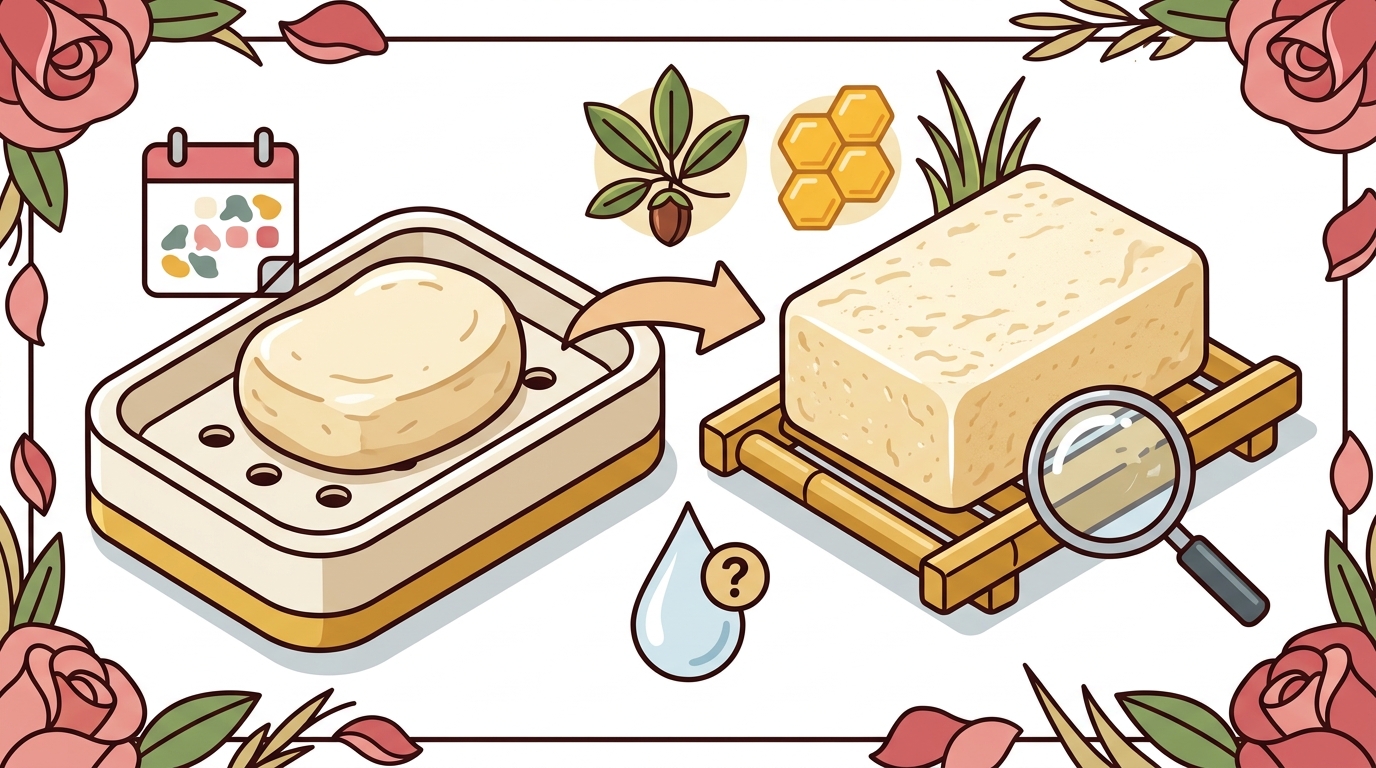
Water is the primary enemy of soap longevity. When a soap bar remains saturated with water, it softens and dissolves faster. To extend the life of your bar, ensure it dries completely between uses. A well-draining soap dish is essential. If you use a plastic tray that holds water, your soap will last significantly less time. Moving the bar to a different spot on the dish after each use can also help prevent a soft spot from forming.
Usage frequency is another key variable. If multiple family members use the same bar, the lifespan will be shorter. For a household of four, a single bar might last only 2 to 3 weeks. In these cases, it is better to rotate between two or three bars to ensure each one has time to dry out. This rotation method helps maintain the structural integrity of the soap and prevents it from becoming mushy.
Signs Your Soap Is Wearing Out
Physical changes in the soap bar are clear indicators that it is nearing the end of its life. If the bar becomes significantly smaller, softer, or starts to crumble, it is time to replace it. A bar that has lost more than half its original size is no longer efficient for cleansing. At this stage, the soap may not lather well or may leave residue on the skin. Replacing the bar at this point ensures you continue to get the full benefits of the tallow formulation.
Skin Reaction Indicators
Your skin provides direct feedback on the condition of your soap. While tallow soap is generally gentle, using a bar that is past its prime can lead to skin irritation or reduced cleansing effectiveness. Pay attention to how your skin feels after washing. If you notice increased dryness, tightness, or irritation, it may be a sign that the soap is no longer suitable for your skin type or that the bar is degrading.
Identifying Irritation
It is important to distinguish between normal skin dryness and irritation caused by old soap. If you experience redness, itching, or a burning sensation after using your soap, discontinue use immediately. This could indicate that the soap has become contaminated or that the natural ingredients have broken down. Always perform a patch test when starting a new bar to ensure your skin tolerates it well. If irritation persists, consult a healthcare professional.
Changes in Lather and Scent
The lather and scent of your soap can also indicate its freshness. A fresh tallow soap bar should have a pleasant, consistent scent and a rich lather. If the scent becomes rancid or the lather turns thin and watery, the soap may be past its prime. Rancidity occurs when the fats in the soap break down, which can happen if the soap is stored in a warm, humid environment. Replacing the bar when you notice these changes helps maintain skin health and a pleasant bathing experience.
Storage Best Practices
Proper storage is the most effective way to extend the life of your tallow soap. The goal is to keep the bar dry and cool. Avoid storing soap in the shower where it is constantly exposed to water and steam. Instead, use a soap dish with drainage holes or a hanging soap holder. These options allow water to drain away quickly, helping the bar dry out between uses.
Choosing the Right Soap Dish
Not all soap dishes are created equal. A simple ceramic or wooden dish without drainage will trap water and accelerate soap degradation. Look for a dish with a raised base or holes that allow water to flow through. If you do not have a dedicated soap dish, a small plate or saucer can work, but you must move the soap to a dry area after each use. The key is to minimize the time the soap spends in contact with standing water.
Environmental Factors
Temperature and humidity also play a role in soap longevity. In a hot, humid bathroom, soap may soften faster. If possible, store your soap in a cooler, drier area when not in use. This is especially important during the summer months when humidity levels are high. By controlling the environment, you can help your tallow soap last longer and maintain its quality.
Tallow vs. Commercial Soap Lifespan
Understanding how tallow soap compares to commercial soaps can help you set realistic expectations for replacement. The table below summarizes the typical lifespan and storage requirements for different types of soap.
| Soap Type | Typical Lifespan | Key Storage Requirement | Replacement Indicator |
|---|---|---|---|
| Handmade Tallow Soap | 4-6 weeks | Dry, draining dish | Softening, crumbling, or rancid scent |
| Commercial Bar Soap | 2-4 weeks | Dry, draining dish | Slippery, thin lather, or odor change |
| Liquid Soap | 1-3 months | Closed pump, cool storage | Thinning consistency or separation |
Handmade tallow soaps, like those from Rose Petal Glam, often last longer than commercial bars because they are made with high-quality ingredients and cured for 8 to 10 weeks. This curing process allows the soap to harden and become more durable. Commercial soaps may contain fillers or additives that cause them to break down faster. By choosing a well-made tallow soap and storing it properly, you can maximize its lifespan and value.
Key Takeaways
- Replace tallow soap every 4 to 6 weeks for optimal skin health.
- Store soap on a draining dish to keep it dry and extend its life.
- Rotate between multiple bars if multiple people use the same soap.
- Watch for physical changes like softening, crumbling, or rancid scent.
- Discontinue use if you experience skin irritation or redness.
- Keep soap in a cool, dry environment to prevent degradation.
- Handmade tallow soaps often last longer than commercial bars due to curing.
- Perform a patch test with new soap to ensure skin compatibility.
Frequently Asked Questions
How long does a tallow soap bar last?
What are the signs that my tallow soap is bad?
Signs that your tallow soap is bad include a rancid smell, a soft or mushy texture, and a thin lather. If the soap has changed color or consistency significantly, it is time to replace it.
Can I use tallow soap if I have sensitive skin?
Tallow soap is generally gentle, but individual reactions may vary. If you have sensitive skin, perform a patch test before full use. Discontinue use if you experience irritation or redness.
How should I store my tallow soap?
Store your tallow soap on a draining soap dish in a cool, dry area. Avoid keeping the bar in standing water, as this will cause it to dissolve faster. A hanging soap holder is also a good option.
Does tallow soap expire?
Tallow soap does not expire in the traditional sense, but it can degrade over time. If stored properly, a tallow soap bar can last for several months. However, if it becomes rancid or soft, it should be replaced.
Can I use tallow soap for my face?
Yes, tallow soap can be used on the face. It is gentle and moisturizing, making it suitable for facial cleansing. However, if you have specific skin concerns, consult a dermatologist before use.
Conclusion
Maintaining skin health with tallow soap requires attention to durability and storage. By replacing your bar every 4 to 6 weeks and keeping it dry, you can maximize its effectiveness and longevity. Rose Petal Glam offers high-quality, handcrafted tallow soaps that are designed to last. Explore our handmade cold process tallow soap collection to find the perfect bar for your routine. For more information on how our products are made, visit our How It's Made page. If you have questions about ingredients or usage, feel free to .